Best Teacher Ever Since 1982 Embroidery Design Review
As an experienced embroidery designer and product reviewer, I always approach new digital embroidery files with a mix of curiosity and caution. The phrase “Best Teacher Ever Since 1982” immediately caught my attention—not just for its nostalgic charm but also for the potential it holds in custom projects. This is not your average generic quote design; it carries a sentiment that can resonate deeply with educators, parents, or even lifelong learners. But how does it translate into real-world embroidery work? Let’s dive into what this SVG file offers and where it shines—or needs careful handling.
First Impressions: A Nostalgic Yet Modern Vibe
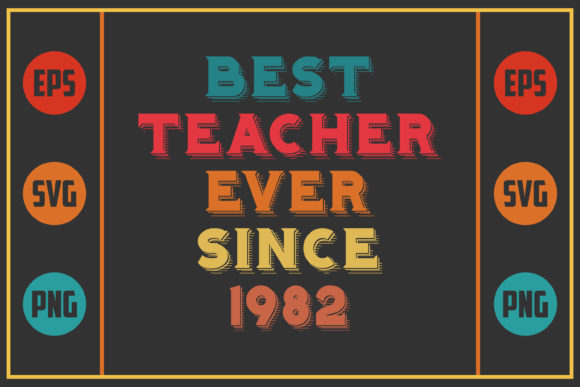
The first thing that struck me about the Best Teacher Ever Since 1982 embroidery design was its balance between simplicity and character. The layout is clean, with well-proportioned text and subtle visual elements that enhance without overwhelming. It has a friendly, approachable feel—perfect for handmade gifts or boutique branding. The font choice feels vintage-inspired but still modern enough to appeal to a wide audience, which makes it versatile across different age groups and styles.
I could already imagine it stitched onto a soft cotton tote bag, ready to be handed out as a personalized gift for a teacher’s retirement party. Or maybe as a satin-stitched applique on a baby onesie, celebrating a parent who’s been the child's first “teacher.” That kind of emotional resonance is powerful in craft business items and Etsy listings.
Theme and Layout Considerations
This design uses a minimalistic structure, making it easy to customize with names, dates, or additional text. The main message is centered, allowing for creative spacing around it if you’re layering other elements. For example, adding a small border or some decorative accents like tiny stars or book motifs could give it a more tailored look depending on the project. As an embroidery file, it’s well-organized, with clear stitch directions and manageable layers—something I appreciate when working on tight deadlines or client orders.
Real-Life Application: What Works Best?
Let’s talk about practical use. The Best Teacher Ever Since 1982 SVG file is best suited for flat, medium to large hoop sizes. Its moderate detail level means it won’t get lost on oversized apparel like sweatshirts or blankets, but it also avoids being too intricate for everyday items. Here are some of the most promising applications:
- Custom Apparel: Ideal for t-shirts, hoodies, and sweaters. The bold text works well with both front-and-center placements and smaller corner designs.
- Tote Bag Design: Especially great for canvas or cotton totes used as personalized gifts or commercial products. The design’s readability ensures it stays impactful after repeated use and washing.
- Baby Items: Can add a warm touch to onesies, bibs, or nursery decor. Just make sure to adjust stitch density for delicate fabrics.
- Embroidered Patch: Could serve as a fun patch for backpacks, jackets, or denim. The shape is compact enough for a patch but detailed enough to stand out.
- Holiday Gifts: Perfect for embroidered ornaments, tea towels, or aprons given during teacher appreciation events or end-of-year celebrations.
What I really like is how the design maintains its personality across various formats. Whether you're using it as a standalone graphic or combining it with other design assets, it holds up visually and functionally.
Where to Use With Caution
While this design is adaptable, there are a few scenarios where it might need extra attention:
- Small Hoop Sizes: If you plan to shrink the design significantly, the details may become harder to stitch cleanly. Always test on scrap fabric before finalizing.
- Textured or Stretchy Fabrics: These can distort the stitching, especially in dense areas. Opt for stable, woven materials for the best results.
- Dark Fabric Backgrounds: The thread colors included in the file may not contrast well against darker bases. Consider changing the thread palette for better visibility.
- Curved Surfaces: While possible, embroidering this design on curved surfaces like caps or hats will require adjustments to maintain clarity and avoid puckering.
- Frequent Washing: If the design is going on something like a school uniform or daily-use item, ensure the stabilizer and backing are strong enough to prevent fraying over time.
One of the key things I look for in an applique design is whether it can hold up under resizing. Unfortunately, shrinking this design too much can cause the lettering to lose its crispness. Also, the fine lines and corners may require manual tweaking if you're aiming for a high-end finish.
Customer Appeal and Brand Consistency
When considering Best Teacher Ever Since 1982 for commercial use, it’s important to think about how it will be received by customers. Sentimental phrases have a way of connecting emotionally, and this one definitely hits that note. It’s particularly effective in holiday embroidery or educational-themed collections.
From a brand perspective, this design fits well into a line of handmade products focused on personalization and nostalgia. It adds a sense of professionalism and care to your craft business or Etsy shop. Clients or shoppers will likely see it as a thoughtful, high-quality option rather than a mass-produced template.
Visual Clarity and Stitch Quality
In terms of stitch clarity, the design handles satin stitch and fill stitch quite well. The letters are solid and defined, while the background (if present) remains smooth and even. However, if you’re planning to stitch on thin or stretchy material, you’ll want to increase the stitch density slightly and use a tear-away or cut-away stabilizer depending on the fabric.
I noticed that the running stitch outlines don’t interfere with the overall look unless you’re using a very light-colored thread on a white fabric. In such cases, consider reinforcing the outlines with a contrasting color or adjusting the stitch direction for smoother results.
Designer Tips for Getting the Most Out of the File
Before jumping into production, here are a few notes from my experience:
- Test First: Always try stitching the design on scrap fabric similar to your intended surface. This helps identify any issues with distortion or tension early on.
- Check Thread Color Contrast: The default thread colors may not suit every fabric. Use a printable mockup to preview how it looks on both light and dark backgrounds.
- Review Stitch Density: Dense stitch areas can lead to puckering if not managed properly. Adjust based on the fabric thickness and type.
- Confirm Hoop Size: Make sure your machine supports the required hoop size for the full design. Resizing beyond the recommended limit can affect quality.
- Inspect Small Details: Look closely at the corners and edges of the text. They should remain sharp and legible after embroidery.
- Use Proper Stabilizer: Depending on the fabric, choose a stabilizer that prevents shifting and supports the weight of the stitches.
- Verify Licensing: If you're selling finished items or digital embroidery files, confirm the licensing allows for commercial use. This is crucial for Etsy sellers and small shop product creators.
Final Thoughts for Crafters and Entrepreneurs
The Best Teacher Ever Since 1982 embroidery design is a strong contender for anyone in the crafts industry looking to create meaningful, high-quality Graphics for their collection. It brings a warm, heartfelt message that many people would love to receive as a personalized gift or wearable keepsake.
That said, it’s not a one-size-fits-all solution. Its success depends heavily on the right application and preparation. Used thoughtfully, it can elevate the product value and giftability of your offerings. Misused, it could fall flat due to poor execution or mismatched expectations.
If you're an embroidery project enthusiast or someone managing a handmade shop, take the time to evaluate how this design aligns with your current product lineup. Will it fit naturally on your custom apparel? Does it match your brand tone and customer base? Those are the kinds of questions that help turn a good design into a great asset.
Overall, I’d say this is a design worth keeping in your library—but only if you’re ready to treat it with the care and consideration it deserves. After all, the best teachers know when to adapt their methods for each student. And so should we, as designers and makers.